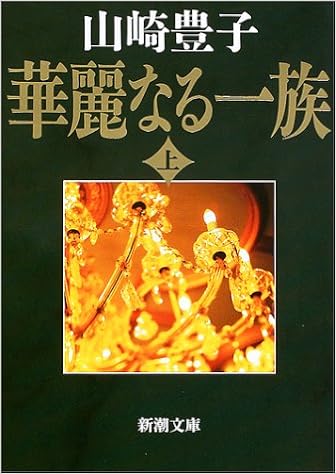
Toyoko Yamasaki (1924–2013) was a novelist born in Osaka. She began writing fiction while working in the arts section of the Mainichi newspaper. Her reporting experience informed novels about people caught in the struggles of institutions and about lives shaped by war.
Set in Osaka’s entertainment world, “Hana no Noren” follows Taka, who is left with debts and a young child after her husband’s death. She gathers performers and takes charge of running a theater. The novel won the Naoki Prize in 1958. In “Shiroi Kyotō,” surgeon Goro Zaizen draws others into his pursuit of a university professorship and later faces a lawsuit over a patient’s death. “Daichi no Ko” follows Lu Yixin, a Japanese war orphan raised by a Chinese foster father. Persecuted during the Cultural Revolution, he later meets his Japanese birth father and must reckon with his ties to both men and both countries.