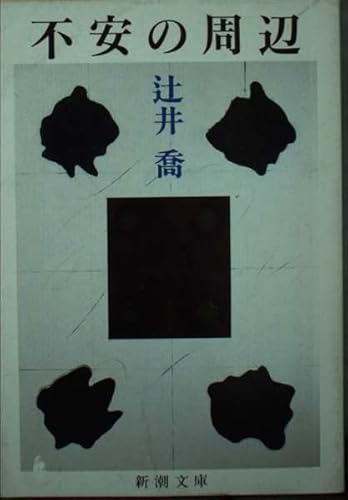
Tsujii Takashi (1927–2013) was a Japanese poet and novelist whose real name was Tsutsumi Seiji. While leading Seibu Department Stores and the Saison Group as a prominent business executive, he continued writing under his pen name, exploring the tension between his public responsibilities and his private literary identity. “Itsumo to Onaji Haru,” which received the Hirabayashi Taiko Literary Prize, portrays a department-store executive caught between the demands of competition and a longing for personal freedom. In “Niji no Misaki,” winner of the Tanizaki Junichiro Prize, Tsujii places poet Kawada Jun’s late-life love affair within the broader history of the Showa era, examining the conflict between social position and private emotion. “Chichi no Shozo,” which received the Noma Literary Prize, confronts his difficult relationship with his father, businessman and politician Tsutsumi Yasujiro, while tracing the connections among family, power, and postwar Japanese society. His poetry likewise gave voice to the loneliness of an individual living within large organizations.