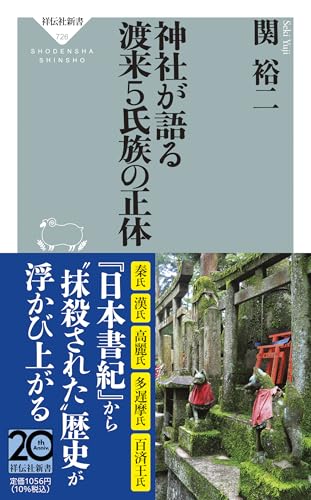
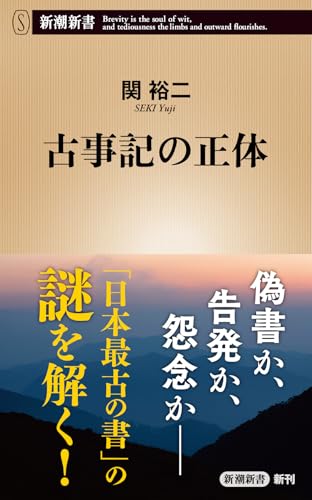
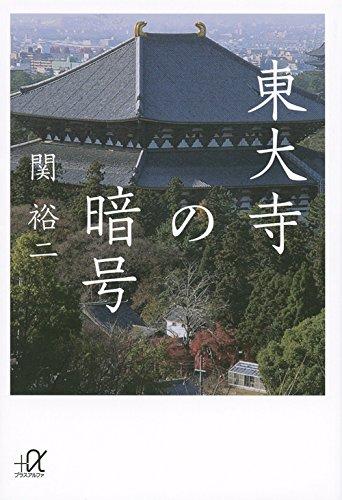
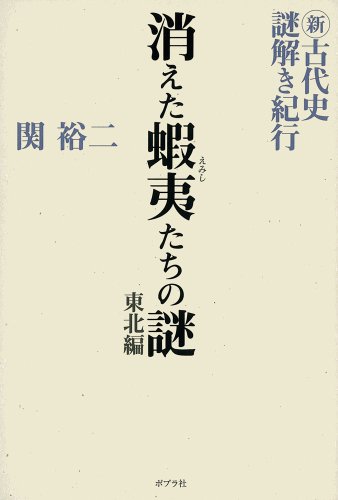
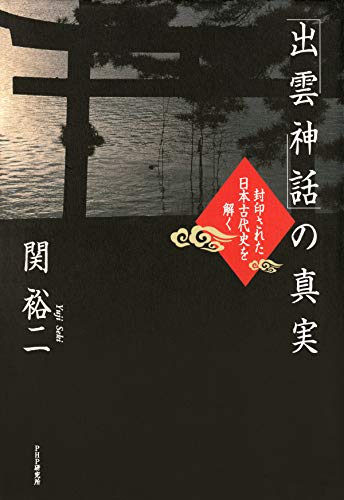
Yuji Seki (born 1959) is a Japanese historical writer and independent researcher of ancient Japan. Born in Kashiwa, Chiba Prefecture, he developed an interest in ancient history through Buddhist art and repeated visits to Nara, pursuing his studies independently. He made his publishing debut in 1991 with “Shotoku Taishi wa Soga no Iruka de aru” (a book proposing that Prince Shotoku and Soga no Iruka were the same person). He is a special academic fellow at Musashino Gakuin University’s institute for Japanese studies. Comparing the “Kojiki” and “Nihon Shoki” with shrine and temple traditions, mythology, and archaeological findings, he develops his own hypotheses about the formation of Yamato kingship and relations among ancient clans. His writing pays particular attention to the political purposes of historical compilation and the contrasting portrayals of victors and defeated rivals. His examination of clan power, “Fujiwara-shi no shotai” (the identity and origins of the Fujiwara clan), discusses Nakatomi no Kamatari, Fujiwara no Fuhito, the Taika reforms, and the development of the legal and administrative system, linking the clan’s rise to historical narratives. In “Soga-shi no shotai” (the identity and origins of the Soga clan), he questions the “Nihon Shoki” portrayal of Soga domination. Drawing on Iruka’s assassination, Buddhist temples, and traditions concerning demons and curses, he reconsiders the clan’s origins and its role in supporting royal authority. His broader survey, “Kodaishi no shotai” (a reinterpretation of ancient history), ranges from Jomon culture to the Heian period, exploring royal power and political conflict through regional exchanges and the influence of groups along the Sea of Japan.