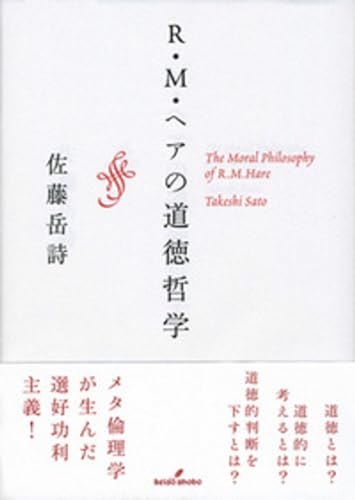
Sato Takeshi (born 1979) is a Japanese philosopher and ethicist from Iwamizawa, Hokkaido, and a professor of philosophy at Senshu University. He studied philosophy and ethics at Kyoto University and Hokkaido University and earned a doctorate in literature from Hokkaido University. His research centers on contemporary Anglo-American ethics, particularly metaethics, as well as normative ethics, applied ethics, and human enhancement. In R. M. Hea no Dotoku Tetsugaku (The Moral Philosophy of R. M. Hare), Sato reexamines Hare’s universal prescriptivism and preference utilitarianism; the book received the Japanese Society for Ethics’ Watsuji Prize in 2013. Meta Rinrigaku Nyumon (Introduction to Metaethics) and “Rinri no Mondai” to wa Nani ka (What Is an Ethical Problem?) explore the meaning of moral terms such as “good” and “right” and the foundations of ethical judgment. Kokoro to Karada no Rinrigaku (Ethics of Mind and Body) examines the moral questions raised by using drugs and medical technologies to alter human capacities and bodies.