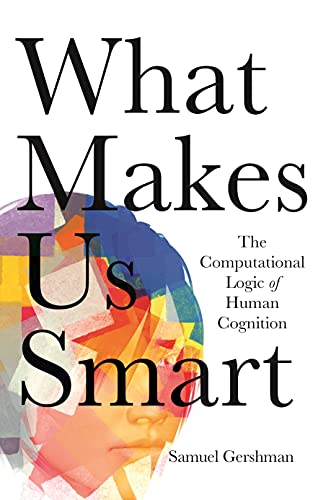
サミュエル・ガーシュマン(Samuel Gershman)は、アメリカの神経科学者、認知科学者。コロンビア大学で神経科学・行動科学を学び、プリンストン大学で心理学・神経科学の博士号を取得。MITでの博士研究員を経て、ハーバード大学心理学部および脳科学センター教授を務め、計算論的認知神経科学の手法を用いて学習、記憶、意思決定などの仕組みを研究している。『知性はバイアスでできている 賢さと愚かさの計算論的認知科学』(原題 What Makes Us Smart: The Computational Logic of Human Cognition)では、人間がしばしば判断を誤るのは単なる非合理性のためではなく、限られた情報、時間、記憶などの制約のもとで効率よく推論する知性の仕組みそのものから生じることを、心理学、神経科学、コンピュータ科学などを横断しながら論じている。
Samuel Gershman is an American neuroscientist and cognitive scientist. He studied neuroscience and behavior at Columbia University and received his Ph.D. in psychology and neuroscience from Princeton University. After completing postdoctoral research at MIT, he joined Harvard University, where he is Professor of Psychology and a member of the Center for Brain Science. Using computational approaches, his research investigates the mechanisms underlying learning, memory, decision-making, and other aspects of cognition. In "What Makes Us Smart: The Computational Logic of Human Cognition," Gershman argues that many seemingly irrational human errors arise from the same computational principles that allow the brain to reason and make decisions efficiently despite limits on information, time, memory, and other resources.