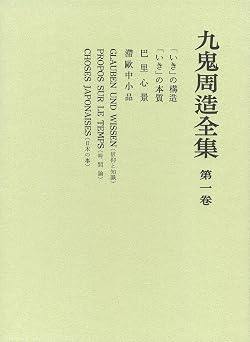
Shuzo Kuki (1888–1941) was a Japanese philosopher who examined cultural aesthetics and the place of contingency in human existence. Born in Tokyo, he graduated in philosophy from Tokyo Imperial University in 1912. From 1921 to 1929 he studied in Europe, learning from Heinrich Rickert, Henri Bergson and Martin Heidegger. After returning to Japan, he taught at Kyoto Imperial University and became a professor in 1935. His years abroad combined close engagement with European philosophy with a reconsideration of Japanese culture. In “The Structure of Iki” (1930), he analyzed an aesthetic associated with Edo urban life through coquetry, spirited resolve and resignation, examining its expression in language, gesture and the arts. “The Problem of Contingency” (1935) pursued the relationships between chance and necessity and between self and other. Attending to individual existence beyond what logical explanation could exhaust, he examined contingency through the encounter of independent beings. He died in Kyoto in 1941.