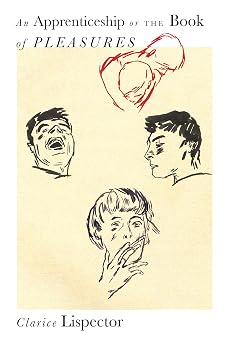
クラリッセ・リスペクトル(1920年–1977年)は、ブラジルの小説家。ウクライナのユダヤ人家庭に生まれ、反ユダヤ主義的暴力を逃れた家族と1922年にブラジルへ移住した。レシフェで育ち、母の死後リオデジャネイロへ移り、法律を学んだ。1943年に最初の長編を刊行し、翌年グラッサ・アラーニャ賞を受賞。外交官の夫とイタリア、スイス、イギリス、アメリカで暮らし、1959年にブラジルへ戻った。『G・Hの受難』(英題 “The Passion According to G.H.”、1964年)では、裕福な女性が家政婦の部屋でゴキブリと向き合う経験を通して、自我、言語、人間としての境界を問い直した。『水の流れ』(英題 “Água Viva”、1973年)は、「わたし」から「あなた」への語りのなかで、生きている現在の瞬間を言葉にとらえようとする作品となった。最後の長編『星の時』(英題 “The Hour of the Star”、1977年)では、ブラジル北東部からリオに来た貧しい女性マカベーアの生活を、彼女について書く男性の語り手の葛藤とともに描いた。小説のほか短編、新聞のコラム、子ども向けの物語も執筆し、1977年にリオデジャネイロで死去した。
Clarice Lispector (1920–1977) was a Brazilian novelist born into a Jewish family in Ukraine. Her family escaped antisemitic violence and reached Brazil in 1922. She grew up in Recife, moved to Rio de Janeiro after her mother’s death, and studied law. Her first novel appeared in 1943 and received the Graça Aranha Prize the following year. Married to a diplomat, she lived in Italy, Switzerland, Britain, and the United States before returning to Brazil in 1959. The Passion According to G.H. (1964) follows a prosperous woman’s encounter with a cockroach in her maid’s room, turning that event into an inquiry into selfhood, language, and the boundaries of human identity. Água Viva (1973) takes the form of an address from an “I” to a “you,” seeking language for the immediate experience of being alive. Her final novel, The Hour of the Star (1977), intertwines the impoverished life of Macabéa, a migrant from northeastern Brazil to Rio, with the difficulties of the male narrator trying to tell her story. Lispector also wrote short fiction, newspaper chronicles, and children’s stories. She died in Rio de Janeiro in 1977.