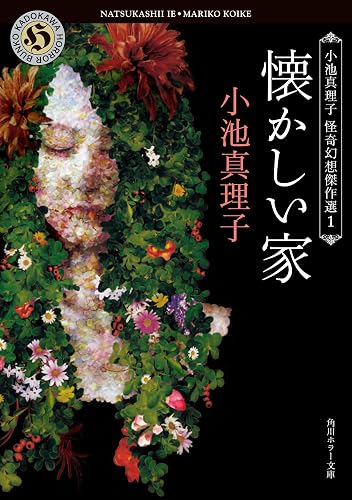
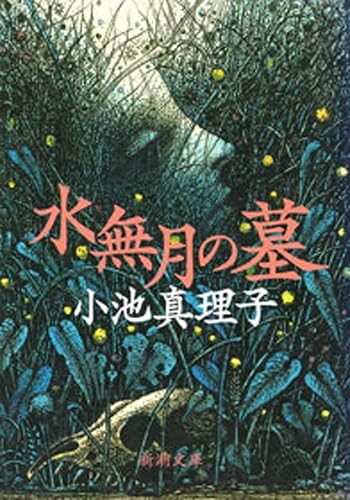
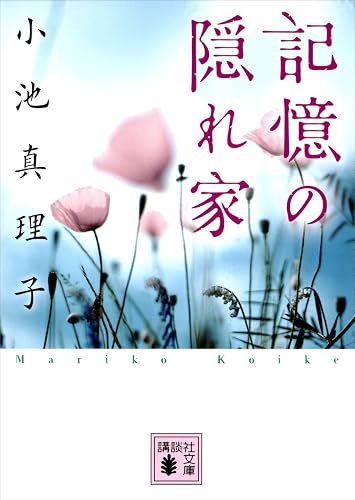
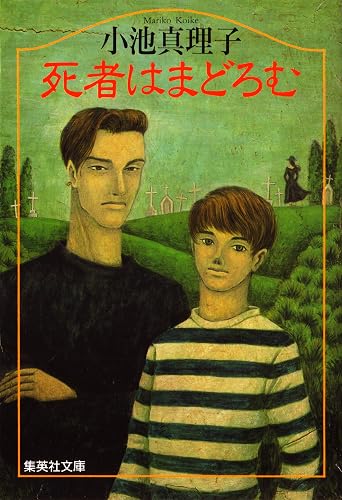
Mariko Koike (born 1952) is a Japanese novelist and essayist from Tokyo and a graduate of Seikei University’s Faculty of Letters. She made her debut in 1978 with the essay collection Chiteki Akujo no Susume and turned to fiction in the 1980s. After receiving the Mystery Writers of Japan Award in 1989, she developed a body of psychological suspense, supernatural fiction and stories about intimate relationships. Her novel Koi follows a female student drawn into the relationship between a university academic and his wife in the winter of 1972; the arrival of a young man destabilizes their precarious bond. It won the 114th Naoki Prize, announced in 1996. Her subsequent honors included the Shimase Award for Love Literature, the Shibata Renzaburo Award, the Minister of Education’s Art Encouragement Prize and the Yoshikawa Eiji Prize for Literature. In 2021 she received the Japan Mystery Literature Award for her achievements as a writer. Following the death of her husband, novelist Yoshinaga Fujita, in 2020, she wrote the newspaper essays collected in Tsukiyo no Mori no Fukuro (2021). Its 52 pieces recorded their encounters with illness and death and the memories that returned as she adjusted to living alone. For the 2024 paperback edition, she added reflections written three years and ten months after his death.