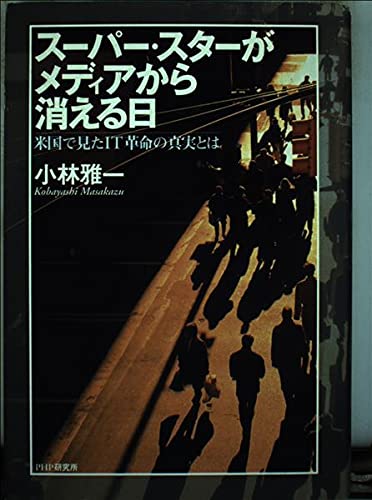
Masakazu Kobayashi (born 1963) is a journalist and author who investigates advanced technologies, including information technology and the life sciences, and their effects on industry and society. Born in Gunma Prefecture, he graduated in physics from the University of Tokyo and completed a master’s program in its Graduate School of Science. After working at Toshiba and Nikkei BP, he studied in the United States and earned a master’s degree in mass communication at Boston University in 1995. He worked for a newspaper in New York and, after returning to Japan, taught at institutions including Keio University’s Institute for Media and Communications Research. He served as a research fellow at KDDI Research and a visiting associate professor at the Institute of Information Security. Drawing on his education in physics and media, Zero kara Wakaru Ryoshi Computer (2022) explained quantum principles and the technical challenges of building quantum computers alongside corporate investment, industrial applications and economic security. Seisei AI (2023) traced the technological history leading to large language models and examined how generative systems affected education, employment and creative work, together with competition and regulation. In Elon Musk o Koeru Otoko: Sam Altman (2024), he followed OpenAI from its founding to the popularization of conversational AI, connecting the entrepreneur’s career with rivalry among major technology companies.