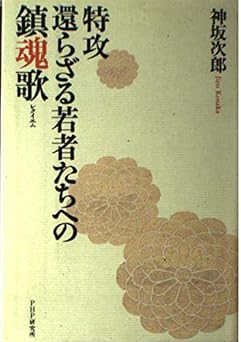
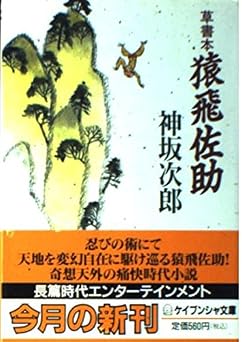
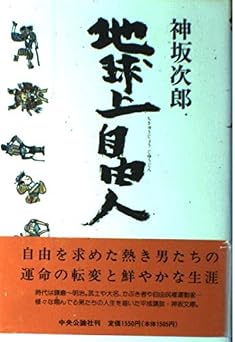
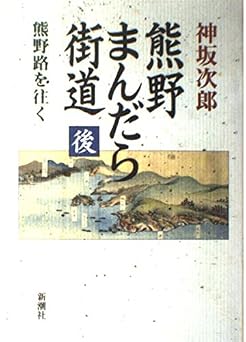
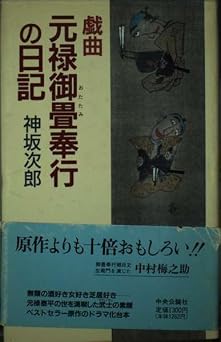
Jiro Kosaka (1927–2022) was a Japanese novelist who wrote historical fiction, biographies and travel essays rooted in Kishu, present-day Wakayama. Born in Wakayama City, he served in an army aviation communications unit during the Second World War. After returning home, he worked as a civil engineer for a construction company for twenty-four years while continuing to write. In “Genroku Otatami Bugyo no Nikki” (1984), he interpreted the twenty-seven-year diary of Owari samurai Asahi Bunzaemon, using accounts of daily life, theater, drinking and local incidents to examine Genroku society. For “Shibarareta Kyojin: Minakata Kumagusu no Shogai,” he drew on papers, correspondence and diaries to trace the naturalist’s overseas travels and independent scholarship in Kumano. The biography received the Popular Literature Research Award in 1987. Kosaka’s wartime experience of seeing off special-attack pilots at Chiran informed “Kyo Ware Ikite Ari,” which reconstructed their lives and thoughts from letters, diaries, final messages and interviews. Alongside his writing about Kishu and Kumano, he continued to document the war. He received the Minakata Kumagusu Prize in 2002 and the Hasegawa Shin Prize in 2003. He died on September 6, 2022.