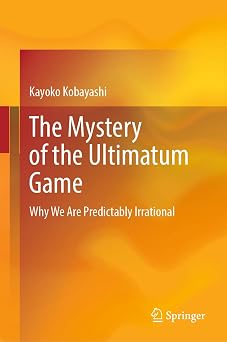
小林 佳世子(こばやし かよこ)は、日本の経済学者。埼玉県川越市生まれ。南山大学経済学部准教授。東京女子大学文理学部社会学科を卒業し、東京大学大学院経済学研究科博士課程を単位取得満期退学。2025年に名古屋大学で博士(経済学)を取得した。行動経済学、応用ゲーム理論、法と経済学を専門とし、人間の意思決定や協力行動を進化の視点から研究している。不公平な分配を、自分が損をしてまで拒むのはなぜかを問う『最後通牒ゲームの謎――進化心理学からみた行動ゲーム理論入門』(英語版 “The Mystery of the Ultimatum Game: Why We Are Predictably Irrational”)では、実験研究を手がかりに、評判を気にする心理、不公平への怒り、裏切り者を見つける認知の働きを検討。目先の利益だけでは説明しにくい行動を、進化の過程で形成された「適応合理性」という観点から捉え直し、2021年に日経・経済図書文化賞を受賞した。また、人々が互いに影響し合う心理を扱う共著『「合う」のメカニズムを科学する――影響し合う「あなた」と「わたし」の心理学』では、他者の視線が行動を変える仕組みを論じる。人間の行動を単なる判断の誤りとして扱うのではなく、その背後にある認知の特徴と、協力や社会秩序を支える働きを探っている。
Kayoko Kobayashi is a Japanese economist and associate professor in the Faculty of Economics at Nanzan University. Born in Kawagoe, Saitama Prefecture, she graduated in sociology from Tokyo Woman’s Christian University and completed the coursework requirements of the University of Tokyo’s doctoral program in economics. She earned a doctorate in economics from Nagoya University in 2025. Her specialties include behavioral economics, applied game theory, and law and economics, with a focus on decision making and cooperation from an evolutionary perspective. Asking why people reject unfair allocations even at a personal cost, “The Mystery of the Ultimatum Game: Why We Are Predictably Irrational,” originally published in Japanese as “Saigo Tsucho Game no Nazo,” examines experimental findings on reputation, responses to unfairness, and the detection of cheating. Kobayashi uses the concept of adaptive rationality to explore how behavior that appears inconsistent with immediate self-interest may reflect cognitive tendencies shaped by evolution. The Japanese edition won the Nikkei Prize for Economics Books in 2021. In the multi-author volume “‘Au’ no Mechanism o Kagaku suru,” which examines interpersonal coordination and influence, she discusses how other people’s gaze can affect behavior. Her work connects the study of cognitive biases with questions about cooperation and the maintenance of social order.