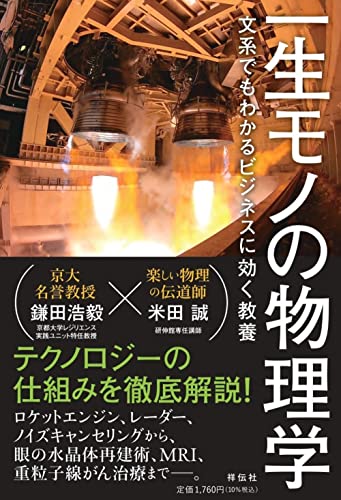
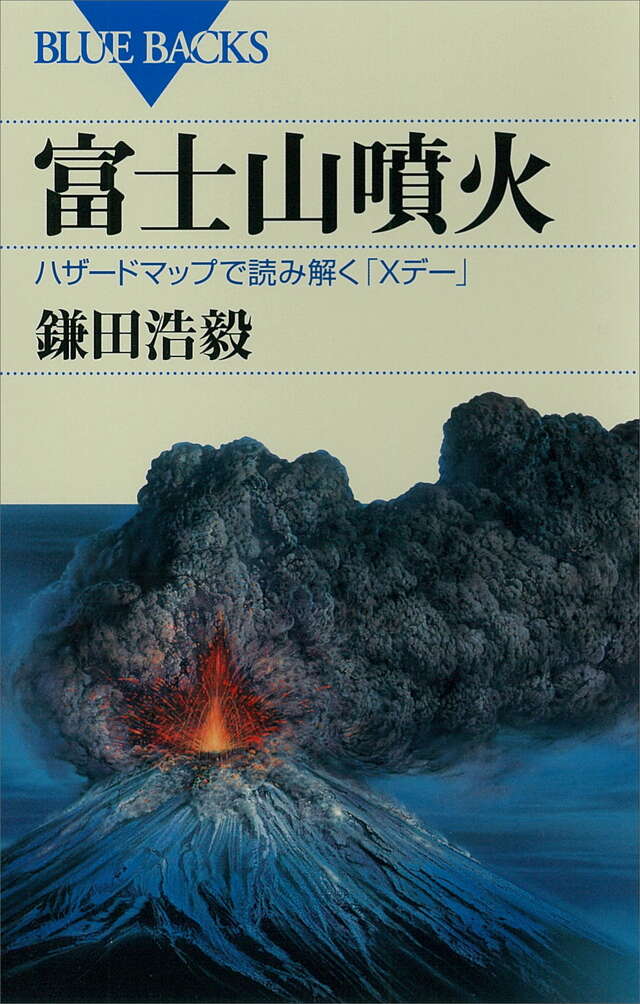
鎌田 浩毅(かまた ひろき、1955年–)は、日本の火山学者・地球科学者。京都大学名誉教授。東京大学理学部卒業後、通商産業省を経て、1997年に京都大学教授に就任した。理学博士。火山学・地球科学の研究とともに、講義や講演、テレビ、著書を通じて、地球の仕組みや自然災害について一般向けに解説している。地震や火山から大気・海洋、宇宙までを体系的に学び直す『やりなおし高校地学 地球と宇宙をまるごと理解する』では、日本列島を取り巻くプレートの動きや地球内部の構造を、地球全体の成り立ちと結びつけて紹介。人間の暮らしを、長い時間をかけて変動する大地の上に位置づける視点を示す。また、自身が研究や教育の現場で実践してきた学習方法をまとめた『新版 一生モノの勉強法 理系的「知的生産戦略」のすべて』では、時間の使い方、読書、道具の活用、人とのつながりを扱う。科学の知識を伝えることに加え、必要な情報を学び続け、仕事や生活の判断に生かすための方法も発信している。
Hiroki Kamata (born 1955) is a Japanese volcanologist and earth scientist, and a professor emeritus at Kyoto University. After graduating from the University of Tokyo’s Faculty of Science, he worked at the Ministry of International Trade and Industry before becoming a professor at Kyoto University in 1997. He holds a doctorate in science. Alongside research, he explains earth science and natural hazards to general audiences through teaching, public lectures, television and books. Offering a systematic return to the subject, “Yarinaoshi Koko Chigaku: Chikyu to Uchu o Marugoto Rikai Suru” is a guide to understanding Earth and the universe through high-school earth science. It connects earthquakes, volcanoes, the atmosphere, oceans and astronomy, placing the Japanese archipelago within the larger workings of the planet. Kamata also writes about learning and intellectual work. Drawing on methods developed through research and teaching, “Shinpan Isshomono no Benkyoho: Rikeiteki ‘Chiteki Seisan Senryaku’ no Subete” presents a revised guide to lifelong learning and intellectual productivity. It discusses time management, reading, tools and professional relationships. Across these fields, his educational work links scientific understanding with the practical task of continuing to learn and applying knowledge to decisions in work and everyday life.
Links : X ↗ , Wikipedia ↗
著者データを読み込んでいます…
アワード名の一部を入力してください。