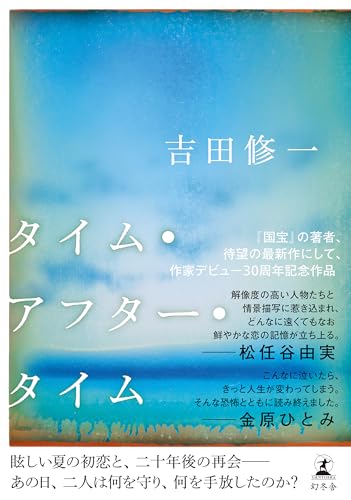
吉田修一(よしだ・しゅういち、1968年生まれ)は、日本の小説家。法政大学経営学部卒業。1997年、『最後の息子』で第84回文學界新人賞を受賞してデビュー。都市に生きる人々の心の機微や人間関係を緻密に描く作風で高く評価され、『パレード』で山本周五郎賞、『悪人』で毎日出版文化賞と大佛次郎賞、『横道世之介』で柴田錬三郎賞を受賞した。代表作の多くは映画化され、『悪人』『怒り』『横道世之介』などは国内外で高い評価を得ている。近年では、歌舞伎の世界を舞台に芸の継承と人間の宿命を描いた『国宝』が大きな話題を呼び、現代日本文学を代表する作品の一つとして注目を集めている。
Wikipedia ↗
Shuichi Yoshida (born 1968) is a Japanese novelist acclaimed for his nuanced portrayals of contemporary society and the complexities of human relationships. A graduate of Hosei University, he made his literary debut in 1997 when "Saigo no Musuko" (The Last Son) won the Bungakukai New Writers Award. His psychologically rich novels have earned numerous literary honors, including the Yamamoto Shugoro Prize for "Parade," the Mainichi Publishing Culture Award and the Osaragi Jiro Prize for "Villain," and the Shibata Renzaburo Award for "Yokomichi Yonosuke." Many of his works have been adapted into acclaimed films, including "Villain," "Rage," and "Yokomichi Yonosuke." More recently, his novel "Kokuhō" (National Treasure), an epic story set in the world of Kabuki, has received widespread acclaim and is regarded as one of the defining works of contemporary Japanese literature.
Wikipedia ↗