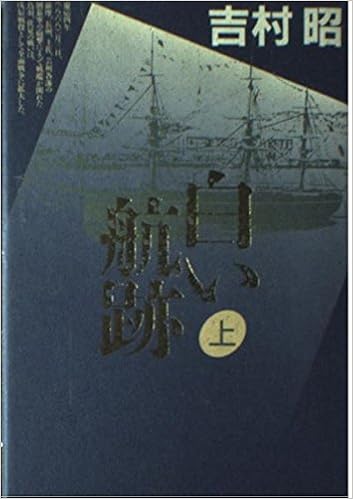
吉村 昭(よしむら あきら、1927–2006)は、戦争、災害、事件を題材にした記録文学や歴史小説を書いた作家。現場を訪ね、関係者の証言や史料を集めて執筆した。戦艦の建造から沈没までを追う『戦艦武蔵』(Battleship Musashi: The Making and Sinking of the World’s Biggest Battleship)では、極秘の建造に携わった技術者や作業員の仕事に多くの紙幅を割き、完成した巨艦が戦場で失われるまでを描く。四度の脱獄を果たした無期刑囚をモデルにした『破獄』では、脱出の方法を探る佐久間清太郎と、監視を強める看守たちの攻防を、戦中・戦後の刑務所を舞台に追い、読売文学賞を受賞した。貧しい漁村の少年を主人公とする『破船』(Shipwrecks)では、村人たちが沖の船を座礁させて積荷を得る風習を描き、その恵みに頼らなければ暮らせない村の生活を物語の中心に据えた。
Yoshimura Akira (1927–2006) was a Japanese writer of documentary literature and historical fiction about war, disasters, and extraordinary events. He visited the places he wrote about and drew on testimony and historical records. “Battleship Musashi: The Making and Sinking of the World’s Biggest Battleship” follows the warship from its secret construction to its loss at sea, paying close attention to the engineers and workers who built it. “Hagoku,” based on a prisoner who escaped four times, depicts the contest between the inmate Sakuma Seitaro and the guards trying to contain him; it won the Yomiuri Prize for Literature. In “Shipwrecks,” a boy grows up in an impoverished fishing village whose residents depend on cargo from ships they lure onto the rocks, revealing how deeply that practice shapes their lives.