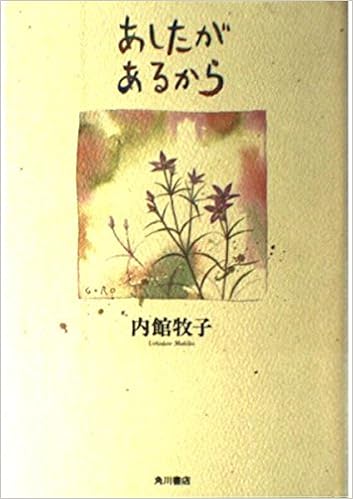
Makiko Uchidate (1948–2025) was a Japanese screenwriter and novelist born in Akita and raised in Tokyo. After graduating from Musashino Art University, she worked at Mitsubishi Heavy Industries for thirteen and a half years before making her debut as a screenwriter in 1988. Her television work included the NHK morning drama “Hirari” and the historical series “Mori Motonari.” She received the Hashida Award for “Hirari” in 1993. Deeply interested in sumo, she became the first woman to serve on the Yokozuna Deliberation Council in 2000 and remained a member for approximately ten years. She entered graduate school at Tohoku University in 2003 to study professional sumo and completed her studies in 2006. Her fiction examines retirement and aging through changes in people’s relationships with work and family. In “Owatta Hito,” whose title means “A Man Whose Career Is Over,” Sosuke Tashiro retires from a subsidiary after falling off the promotion track at a major bank. Searching for a new role, he finds that his academic credentials and career history can hinder his attempts to secure another job. As distance grows between him and his still-working wife, the novel explores his attachment to former status and the challenge of building a life beyond employment. “Rogai no Hito,” about older people whose behavior burdens those around them, follows eighty-five-year-old Fukutaro Toyama, who repeatedly recounts his achievements long after retirement. When his daughter finally challenges his behavior, tensions between generations come into the open. Through their conflict, Uchidate portrays older people seeking recognition and family members struggling to accommodate them without surrendering their own lives.