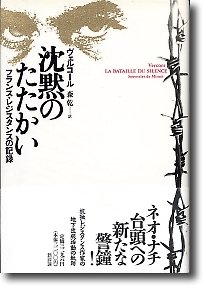
ヴェルコール(Vercors、1902年–1991年)は、フランスのパリに生まれた小説家、画家。ジャン・ブリュレルが文学作品に用いた筆名。エコール・アルザシエンヌで学び、1920年にバカロレアを取得した。1921年から電気・機械を学ぶブレゲ学校に通い、1923年に同校の技師資格(diplôme d’ingénieur)を得た。在学中から雑誌に絵を寄せ、1923年には雑誌「L’Ingénu」を創刊して編集を担った。1920年代以降、挿絵や風刺画、版画の制作に取り組んだ。
第二次世界大戦中、ドイツ占領下での出版を拒んで家具職人として働き、レジスタンスに参加した。1941年にピエール・ド・レスキュールと地下出版社「深夜叢書」の設立を決め、1942年2月、その最初の刊行物として『海の沈黙』(原題 “Le Silence de la mer”、英題 “The Silence of the Sea”)をヴェルコール名義で発表した。フランス人の老人と姪が、家に宿泊するドイツ将校に言葉を返さないという抵抗を描いた作品で、占領下の知識人による抵抗を象徴する小説となった。戦後も作家・出版人として活動し、1948年に深夜叢書を離れた。
1952年の『人獣裁判』(原題 “Les Animaux dénaturés”、英題 “You Shall Know Them”)では、人間と類人猿の中間に位置する存在の発見を、労働力としての利用や殺人罪の成立をめぐる問題へと結びつけ、裁判を通じて人間の定義を問い直した。1961年の『Sylva』(未邦訳)は、狐から人間の女性へ変わった存在とイギリス人男性との生活を描き、言語や意識、死の認識によって人間と動物を隔てるものを探った。リタ・バリスによる同作の英訳は、1963年ヒューゴー賞長編小説部門の最終候補となった。
Vercors (1902–1991) was the literary pseudonym of Jean Bruller, a French novelist and artist born in Paris. He attended the École alsacienne and obtained his baccalauréat in 1920. From 1921 he studied electricity and mechanics at the École Breguet, receiving its diplôme d’ingénieur in 1923. He contributed drawings to magazines while studying and founded and edited the magazine L’Ingénu in 1923. From the 1920s he worked on illustrations, satirical drawings and prints.
During the German occupation of France he refused to publish openly, worked as a carpenter and joined the Resistance. In 1941 he and Pierre de Lescure decided to establish the clandestine publisher Les Éditions de Minuit. Its first publication, Le Silence de la mer, appeared under the name Vercors in February 1942. Known in English as The Silence of the Sea and in Japanese as Umi no Chinmoku, it depicts an elderly Frenchman and his niece refusing to speak to the German officer billeted in their home. The story became a symbol of intellectual resistance to the occupation. Bruller continued his literary and publishing activities after the war and left Minuit in 1948.
Les Animaux dénaturés (1952), published in English as You Shall Know Them and in Japanese as Jinju Saiban, turns the discovery of beings between apes and humans into a dispute over exploitation and the definition of murder. Its trial examines what qualifies a being as human. Sylva (1961) follows a vixen transformed into a woman and her life with an Englishman, exploring language, consciousness and awareness of death as boundaries between human and animal existence. Rita Barisse’s English translation was a finalist for the 1963 Hugo Award for Best Novel.