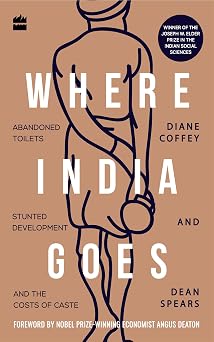
ディーン・スピアーズは、人口動態と生活の質、子どもの健康、環境を研究する経済人口学者、開発経済学者。2013年にプリンストン大学で経済学の博士号を取得し、テキサス大学オースティン校で研究・教育に携わった。インドの子どもの健康や成長を調査する研究機関r.i.c.e.の創設に参加し、衛生環境、大気汚染、気候変動と人々の生活を結びつけて研究した。ダイアン・コフィーとの共著『Where India Goes: Abandoned Toilets, Stunted Development and the Costs of Caste』(未邦訳)では、インド農村での調査をもとに、トイレの設置だけでは屋外排泄がなくならない理由を検討した。カーストや浄・不浄をめぐる観念、行政による衛生政策を、乳幼児の健康や発育の問題と関連づけた。同書は2017年に米国インド研究所のジョセフ・W・エルダー賞を受賞した。2019年の『Air: Pollution, Climate Change and India’s Choice Between Policy and Pretence』(未邦訳)では、インドの大気汚染が健康や経済に与える影響を扱い、汚染物質と温室効果ガスを同時に減らす政策を論じた。マイケル・ジェルーソとの共著『人口崩壊』(原題 “After the Spike: Population, Progress, and the Case for People”)では、出生率の低下が世界的な人口減少へつながる可能性を、人口統計と経済学から検討した。人口が減れば環境問題が解決するという見方を問い直し、知識や技術の発展、世代間の協力、子どもを持ち育てる選択を支える社会のあり方を考察した。原著は2025年に刊行され、土方 奈美による日本語訳が2026年に刊行された。
Dean Spears is an economic demographer and development economist whose research concerns population, social well-being, child health, and the environment. He earned his PhD in economics at Princeton University in 2013 and became a member of the economics faculty at the University of Texas at Austin. As a founding executive director of r.i.c.e., a research institute focused on children’s health in India, he studied connections between living conditions, sanitation, air pollution, and climate change. With Diane Coffey, he coauthored Where India Goes: Abandoned Toilets, Stunted Development and the Costs of Caste. Drawing on research in rural India, the book examined why building latrines alone did not end open defecation. It connected caste, notions of ritual purity, and sanitation policy with infant health and physical growth. The authors received the American Institute of Indian Studies’ Joseph W. Elder Prize in the Indian Social Sciences in 2017. His 2019 book Air: Pollution, Climate Change and India’s Choice Between Policy and Pretence examined the consequences of air pollution for health and economic development, arguing for policies that addressed both particulate pollution and greenhouse-gas emissions. With Michael Geruso, Spears coauthored After the Spike: Population, Progress, and the Case for People (2025). The book considered how falling fertility could lead to global depopulation, challenging the assumption that fewer people would resolve environmental problems. It examined implications for the creation of knowledge, technological progress, cooperation between generations, and the social conditions surrounding decisions to have children. A Japanese translation by Nami Hijikata was published as Jinko Hokai in 2026.