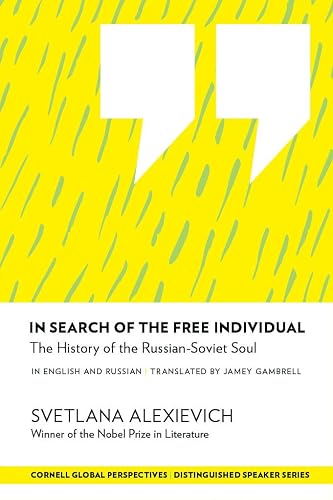
スヴェトラーナ・アレクシエーヴィチ(1948年生まれ)は、ロシア語で証言文学を書いてきたベラルーシの作家、ジャーナリスト。現在のウクライナのイヴァノ=フランキウシクに生まれ、ベラルーシで育った。1972年にミンスクでジャーナリズムを学び終え、新聞・雑誌の仕事を経て、長年の聞き取りから作品を構成する方法を築いた。出来事を年代順に説明するだけでなく、人々が何を感じ、信じ、恐れ、どのように記憶したかを、異なる立場の声を重ねて描いた。1985年に刊行された『戦争は女の顔をしていない』(英題 “The Unwomanly Face of War”)では、第二次世界大戦に従軍した女性たちに取材し、看護や狙撃、操縦などの任務と、戦場の日常、帰還後の暮らしを記録した。公的な戦勝の物語に収まりにくい女性たちの経験を扱い、検閲を受けながら刊行に至った。1997年の原著を持つ『チェルノブイリの祈り――未来の物語』(英題 “Chernobyl Prayer: A Chronicle of the Future”、別英訳題 “Voices from Chernobyl”)では、消防士の家族、事故処理作業員、避難を強いられた住民らの言葉から、原発事故が愛情、故郷、死の受け止め方を変えた過程を描いた。改訂を重ねた本文に基づく松本 妙子訳の完全版は2021年に刊行された。2013年の『セカンドハンドの時代――「赤い国」を生きた人びと』(英題 “Secondhand Time: The Last of the Soviets”)では、ソ連崩壊後の自由への期待、生活の変化、喪失や郷愁を聞き取り、社会体制の転換を個人の記憶から捉えた。多声的な作品によって2015年ノーベル文学賞を受賞した。2020年にはベラルーシの政権移行を求める調整評議会に加わり、捜査当局の取り調べなどを受けたのち、同年9月にドイツへ出国した。
Svetlana Alexievich (born 1948) is a Belarusian writer and journalist who works in Russian. Born in what is now Ivano-Frankivsk, Ukraine, she grew up in Belarus and completed her journalism studies in Minsk in 1972. After working for newspapers and magazines, she developed a literary practice built on extended interviews and the arrangement of contrasting voices. Rather than simply reconstructing events, she explored what people felt, believed, feared and remembered. “The Unwomanly Face of War,” first published in 1985, drew on interviews with women who served in the Second World War. Their experiences as nurses, snipers, pilots and other service personnel included everyday life at the front and the difficulties of returning home. The book brought experiences that did not fit official narratives of victory into print after encountering censorship. “Chernobyl Prayer: A Chronicle of the Future,” also known in an earlier English translation as “Voices from Chernobyl,” originated in 1997. Through testimony from firefighters’ relatives, clean-up workers and displaced residents, it examined how the nuclear disaster changed understandings of love, home and death. Alexievich continued revising the text; Taeko Matsumoto’s Japanese translation of the complete version appeared in 2021. “Secondhand Time: The Last of the Soviets” (2013) followed the Soviet collapse through memories of hopes for freedom, changes in everyday life, loss and nostalgia, approaching political transformation through individual lives. Her polyphonic work received the 2015 Nobel Prize in Literature. In 2020 she joined the Coordination Council calling for a transfer of power in Belarus. After questioning by investigators and other pressure, she left for Germany in September that year.