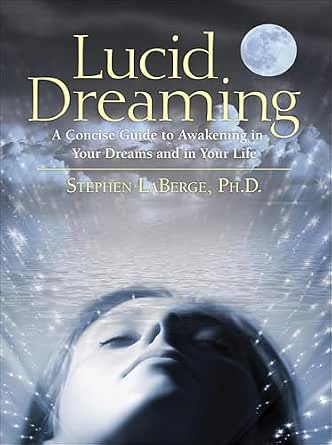
スティーヴン・ラバージは、夢を見ている最中にそれが夢だと自覚する「明晰夢」を研究してきた米国の精神生理学者。スタンフォード大学で睡眠と意識の研究に取り組み、1980年に精神生理学の博士号を取得した。実験では、夢を見ている人があらかじめ決めた眼球運動を行うことで、夢のなかで自覚が生じた時点を外部へ知らせる方法を用いた。レム睡眠中の生理記録とこの合図を照合し、目覚めた後の報告だけに頼らず、明晰夢を実験室で検証する研究を進めた。また、次に夢を見たときにそれと気づくという意図を記憶に結びつけるMILD法など、明晰夢の誘導法も開発した。1987年にはルシディティ研究所を設立し、意識の研究と明晰夢の学習・普及に携わった。『明晰夢――夢見の技法』(原題 “Lucid Dreaming”)では、夢のなかでの自覚をめぐる歴史と実験、習得法を扱い、睡眠中の経験と覚醒時の知覚の関係を論じた。ハワード・ラインゴールドとの共著『Exploring the World of Lucid Dreaming』(未邦訳)では、夢の記録、夢に特有の手がかりの認識、明晰夢の維持といった練習を体系化した。研究で得た知見を実践的な手順と結びつけ、創造的な問題解決や恐怖への対処などに夢を活用する方法を検討した。
Stephen LaBerge is an American psychophysiologist who has studied lucid dreaming, the awareness that one is dreaming while a dream is in progress. He pursued research on sleep and consciousness at Stanford University and earned a doctorate in psychophysiology in 1980. In laboratory studies, dreamers used prearranged eye movements to signal when they became lucid. Comparing these signals with physiological recordings during REM sleep allowed researchers to investigate lucid dreams without relying solely on reports after awakening. LaBerge also developed induction methods, including Mnemonic Induction of Lucid Dreams (MILD), which links an intention to recognize a future dream with memory. In 1987 he founded the Lucidity Institute to support consciousness research and education in lucid dreaming. His book “Lucid Dreaming,” translated into Japanese as “Meisekimu: Yumemi no Giho,” examined the history, experimental investigation, and acquisition of dream awareness, alongside relationships between dream experience and waking perception. With Howard Rheingold, he coauthored “Exploring the World of Lucid Dreaming,” organizing exercises in dream recall, recognizing dream signs, and maintaining lucidity. Connecting laboratory findings with practical procedures, the book explored uses of lucid dreaming in creative problem-solving and confronting fears.