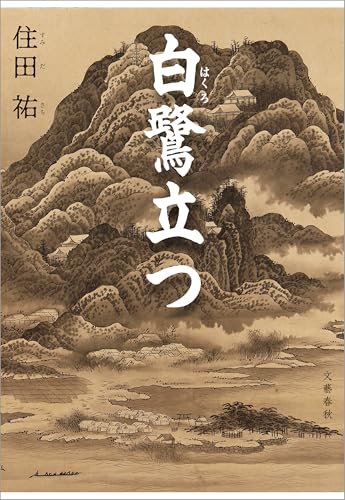
Sachi Sumida (born 1983) is a Japanese novelist who writes historical fiction. Born in Hyogo Prefecture, he pursued writing while working for an education-related company. He made his debut in 2025 with “Hakuro Tatsu,” which won the 32nd Matsumoto Seicho Prize and was subsequently shortlisted for the 174th Naoki Prize. Set at Enryakuji on Mount Hiei in the late Edo period, the novel follows two monks, a master and his disciple, undertaking the demanding practice of sennichi kaihogyo. Their increasingly divided relationship gives the shared disciplines of faith and ascetic training a personal dimension. In 2026, Sumida left the company where he had worked for seventeen years to devote himself to writing. His second novel, “Tagakubi,” places Akechi Mitsuhide and his retainer Samanosuke in a desperate predicament after the heads of defeated Asai and Asakura leaders, displayed on Oda Nobunaga’s orders, are stolen. Rather than beginning with a straightforward retelling of a historical event, Sumida develops his fiction from the difficulties facing a character and the actions that follow, using imaginative freedom where documentary evidence is scarce. Across monastic discipline and the dangers of the Sengoku period, his novels explore people under extreme pressure and the tensions within relationships between masters and disciples or lords and retainers.