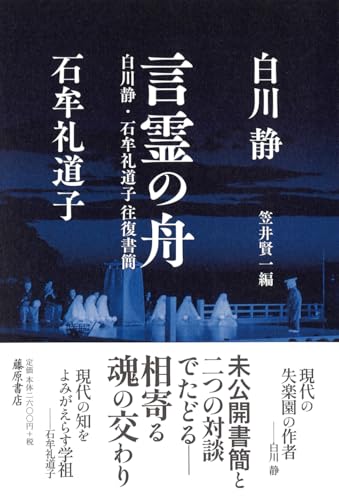
Shirakawa Shizuka (1910–2006) was a scholar of Chinese characters who studied oracle bone inscriptions and inscriptions on bronze vessels to investigate the societies and beliefs of ancient China. He taught at Ritsumeikan University and received Japan’s Order of Culture in 2004. “Jito,” his dictionary of character origins, uses early written forms and examples from classical texts to examine how individual characters acquired their meanings. “Jikun” traces the relationship between Japanese words and the Chinese characters used to write them. Drawing on both works, he compiled “Jitsu,” a comprehensive dictionary covering characters from ancient inscriptions to modern usage. Together, the three dictionaries show how his study of written forms was connected to the lives and culture of the people who used them.