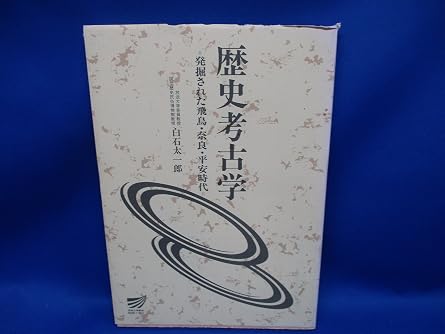
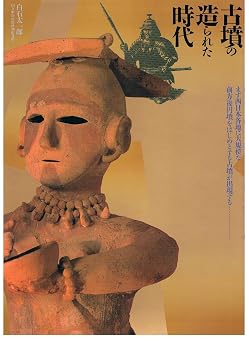
Taichiro Shiraishi (1938–2026) was a Japanese archaeologist specializing in ancient burial mounds and the formation of the early Japanese state. Born in Osaka Prefecture, he studied at Doshisha University and worked at the Archaeological Institute of Kashihara, the National Museum of Japanese History, and Nara University. He also served as director of the Chikatsu Asuka Museum. His research examined tomb shapes, dimensions, grave goods, and geographical distribution to investigate relations between the Yamato polity and regional leaders. In “Kofun to Yamato Seiken: Kodai Kokka wa Ikani Keisei Saretaka,” he interprets burial mounds as political monuments, tracing the emergence and spread of keyhole-shaped tombs, shifts in royal burial locations, and changes in political authority. In “Kokogaku to Kodaishi no Aida,” he brings archaeological evidence into dialogue with written sources, including Chinese accounts of Wa, royal genealogies in Japanese chronicles, and inscriptions on ancient swords. His work connects material remains with questions about Yamatai, early kingship, and the development of the ancient state.