ジョナサン・マークス(Jonathan M. Marks)- 米:生物人類学者、ノースカロライナ大学シャーロット校教授(人類学)
著者別の著作物を時系列にご覧いただけます。
略歴(Biography)
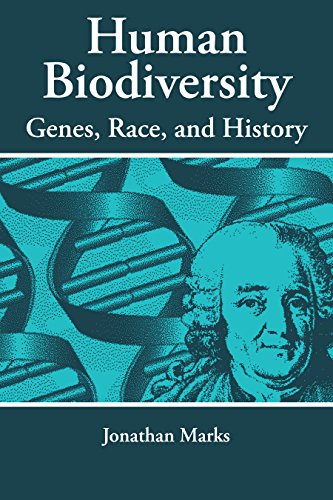
ジョナサン・M・マークス(Jonathan M. Marks、1955年–)は、アメリカの生物人類学者。ノースカロライナ大学シャーロット校教授。ジョンズ・ホプキンズ大学を卒業後、アリゾナ大学で遺伝学と人類学を学び、人類学の博士号を取得した。遺伝学と人類学を横断し、人類の進化や遺伝的多様性、人種概念の歴史、科学と社会の関係を研究している。『What It Means to Be 98% Chimpanzee: Apes, People, and Their Genes』(未邦訳)では、人間とチンパンジーの遺伝的近さを単純化して語ることの問題を指摘し、遺伝情報が人種や人間性の説明に利用される過程を検討。同書によりJ・I・ステイリー賞を受賞した。『Human Biodiversity: Genes, Race, and History』(未邦訳)では、人間集団の遺伝的差異と社会的な人種分類を区別し、『Is Science Racist?』(未邦訳)では、人種主義的な思想が科学研究の問いや解釈に入り込んできた歴史を論じている。人類進化を扱った『Tales of the Ex-Apes』(未邦訳)や、創造論が存続する社会的背景を分析した『Why Are There Still Creationists?』(未邦訳)も著している。
Jonathan M. Marks (born 1955) is an American biological anthropologist and a professor at the University of North Carolina at Charlotte. After graduating from Johns Hopkins University, he studied genetics and anthropology at the University of Arizona, where he earned a doctorate in anthropology. His research brings genetics and anthropology together to examine human evolution, genetic diversity, the history of racial classification, and the relationship between science and society. In “What It Means to Be 98% Chimpanzee: Apes, People, and Their Genes,” which received the J. I. Staley Prize, Marks challenges simplistic interpretations of the genetic similarity between humans and chimpanzees and considers how genetic evidence is used to explain race and human identity. “Human Biodiversity: Genes, Race, and History” distinguishes biological variation among human populations from socially constructed racial categories, while “Is Science Racist?” examines how racist assumptions have shaped scientific questions and interpretations. His other books include “Tales of the Ex-Apes,” on the cultural frameworks through which human evolution is understood, and “Why Are There Still Creationists?,” an analysis of the continuing social appeal of creationism.