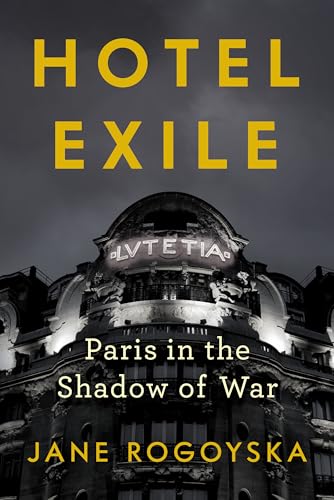
ジェーン・ロゴイスカ(Jane Rogoyska)は、戦争、亡命、記憶を主題に執筆する英国のノンフィクション作家。ケンブリッジ大学で現代語を学び、英国とポーランドで映画制作を修め、映像の仕事を経て歴史研究と執筆に取り組む。『ゲルダ・タロー――ロバート・キャパを創った女性』(原題 “Gerda Taro: Inventing Robert Capa”)では、スペイン内戦を取材した女性写真家の生涯と、キャパとの創作上の関係を描いた。“Surviving Katyn: Stalin’s Polish Massacre and the Search for Truth”(未邦訳)では、1940年のカティンの虐殺と、その真相を追い続けた人々の歩みをたどり、2022年マーク・リントン歴史賞を受賞。“Hotel Exile: Paris in the Shadow of War”(未邦訳)は、パリのホテル・ルテシアを舞台に、亡命者たちの集い、占領下のドイツ軍情報機関の活動、強制収容所から帰還した人々の受け入れを描き、2026年ベイリー・ギフォード賞のロングリストに選出された。一つの場所や個人の経験から、政治的暴力が人々の暮らしと記憶に残した傷を読み解く。
Jane Rogoyska is a British nonfiction writer whose work explores war, exile, memory and politics. She studied modern languages at Cambridge and trained in filmmaking in Britain and Poland, working extensively in film before turning to historical research and writing. Her first book, Gerda Taro: Inventing Robert Capa, reconstructs the life of the photographer who covered the Spanish Civil War and examines her creative partnership with Capa. Surviving Katyn: Stalin’s Polish Massacre and the Search for Truth follows the survivors and investigators who sought to establish the truth about the 1940 massacre despite decades of Soviet denial; it won the 2022 Mark Lynton History Prize. Hotel Exile: Paris in the Shadow of War, longlisted for the 2026 Baillie Gifford Prize, traces the changing role of Paris’s Hotel Lutetia: a meeting place for exiles, a headquarters for German military intelligence during the occupation, and a reception centre for people returning from concentration camps. Through individual lives and the history of particular places, Rogoyska examines how political violence reshapes communities and how its consequences are remembered.