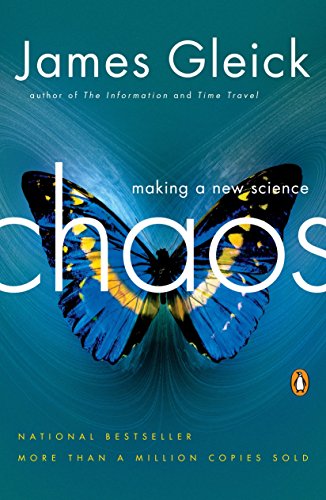
ジェイムズ・グリック(1954年–)は、アメリカの科学ジャーナリスト。『ニューヨーク・タイムズ』で記者・編集者を10年間務め、科学技術の発展と、それが社会や文化にもたらす変化を取材してきた。カオス理論の形成を研究者たちの試行錯誤とともに描いた『カオス――新しい科学をつくる』(Chaos)は、全米図書賞とピュリツァー賞の最終候補作となった。『インフォメーション――情報技術の人類史』(The Information: A History, a Theory, a Flood)では、アフリカの太鼓、電信、シャノンの情報理論、遺伝暗号、インターネットをたどり、情報が測定可能な概念となり、科学と日常生活を組み替えていく過程を描いている。
James Gleick (born 1954) is an American science journalist who writes about science, technology, and their cultural consequences. He spent ten years as an editor and reporter at The New York Times. His “Chaos,” which follows the scientists whose experiments and arguments established chaos theory, was a finalist for both the National Book Award and the Pulitzer Prize. In “The Information: A History, a Theory, a Flood,” Gleick traces the transmission of information from African drums and the telegraph to Claude Shannon’s information theory, genetic codes, and the internet, showing how information became measurable and reshaped science and everyday life.