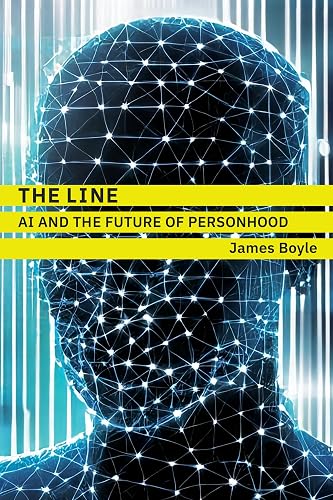
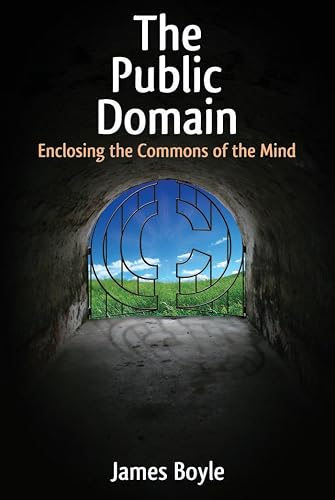
ジェームズ・ボイル(James Boyle)は、知的財産権と情報社会の法制度、パブリックドメインを研究する知的財産法学者。ハーバード大学で1981年に法学修士、1986年に法学博士の学位を取得した。アメリカン大学などで教えた後、2000年にデューク大学に移り、パブリックドメイン研究センターの設立に携わった。著作物の利用条件をあらかじめ示して共有を促すクリエイティブ・コモンズでは創設時の理事を務め、のちに理事長となった。科学研究の成果やデータの共有を進めるサイエンス・コモンズも共同設立した。こうした活動と研究を通じ、知的財産権による保護と、文化や科学を支える共有領域との関係を検討してきた。2008年の『The Public Domain: Enclosing the Commons of the Mind』(未邦訳)では、著作権や特許権が広がることで、創作や発明の基盤となる知識の共有領域が囲い込まれる問題を論じた。環境保護運動になぞらえ、目に見えにくい情報の共有資源を認識し、その保全を考える視点を示した。ジェニファー・ジェンキンズとの共著による知的財産法の教材を無料公開し、判例や制度の変化に応じて改訂を重ねた。『THE LINE――AIが〈ひと〉になるとき』(原題 “The Line: AI and the Future of Personhood”)では、人工知能や遺伝子改変された生物に、どのような法的地位を認めるのかを考察した。法人などに人格を認めてきた法の歴史を踏まえ、生物学上の人間であること、意識を持つこと、法的な権利主体となることを区別し、哲学やSFも手がかりに人格と権利の境界を検討した。
James Boyle is a legal scholar whose research examines intellectual property, the law of the information society, and the public domain. He earned an LL.M. at Harvard in 1981 and an S.J.D. in 1986. After teaching at institutions including American University, he joined Duke University in 2000 and helped establish its Center for the Study of the Public Domain. He was a founding board member and later chair of Creative Commons, which provides licenses that allow creators to specify how others may reuse their work. He also co-founded Science Commons to advance the sharing of scientific research and data. His scholarship and these initiatives examined the relationship between intellectual property protection and the shared resources on which culture and science depend. In “The Public Domain: Enclosing the Commons of the Mind” (2008), Boyle argued that expanding copyright and patent rights could enclose the knowledge that supports future creativity and invention. Drawing an analogy with environmentalism, he proposed ways to recognize and protect shared informational resources that often remain out of sight. With Jennifer Jenkins, he also developed a freely available intellectual property casebook and revised it to reflect changes in cases and legislation. “The Line: AI and the Future of Personhood,” published in Japanese as “THE LINE: AI ga Hito ni Naru Toki,” investigated the legal standing of artificial intelligence and genetically engineered organisms. Taking account of the law’s recognition of corporations and other nonhuman legal persons, he distinguished biological humanity, consciousness, and legal personality. The book drew on philosophy and science fiction as well as legal history to examine the boundaries of personhood and rights.