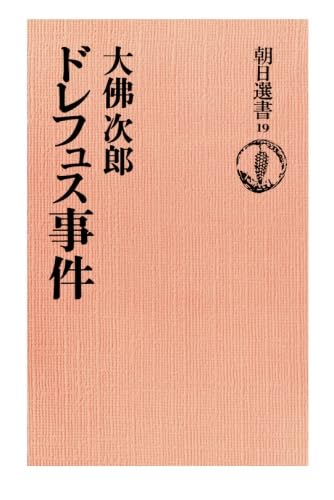
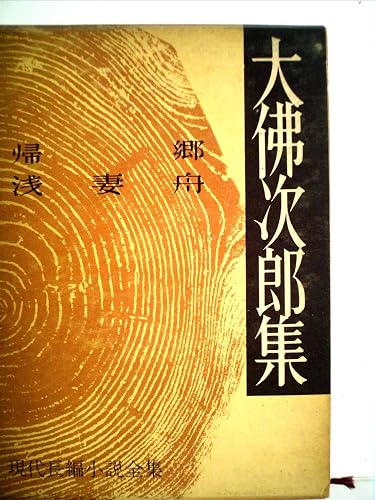
Jiro Osaragi (1897–1973) was a Japanese novelist whose work encompassed historical and contemporary fiction, historical nonfiction, drama, and children’s literature. Born Kiyohiko Nojiri in Yokohama, he graduated in political science from Tokyo Imperial University. He became involved in theatre as a student and later worked as a teacher in Kamakura and at the Foreign Ministry while translating writers including Romain Rolland and contributing to magazines. After the Great Kanto Earthquake, he began publishing historical fiction under the name Jiro Osaragi in 1924. His “Kurama Tengu” series followed a mysterious swordsman during the final years of the Tokugawa shogunate. Magazine serialization and film adaptations helped establish his career as a professional novelist. Alongside historical subjects, he explored the relationship between individuals and postwar Japanese society. “Homecoming,” first published in Japanese as “Kikyo” in 1948, followed a former naval officer returning to Japan after years abroad and confronted questions about belonging and one’s relationship to a defeated country. It received the Japan Art Academy Prize in 1950 and was translated into several languages. In his later historical writing, Osaragi drew on documentary sources to trace political and social change. His Japanese-language “Tenno no Seiki,” serialized in a newspaper from 1967, examined the upheavals of the late Tokugawa period and the Meiji Restoration through numerous people and events. He continued writing from his sickbed, but the work remained unfinished at his death in 1973. He received the Order of Culture in 1964, and the Osaragi Jiro Prize was established in the year of his death to commemorate his literary achievements.