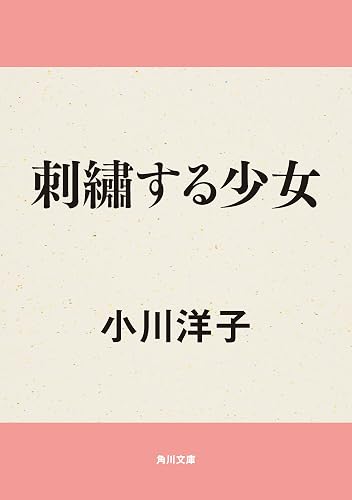
小川 洋子(おがわ ようこ、1962年–)は、記憶や喪失、日常の内側に潜む不思議を描いてきた小説家。岡山県に生まれ、早稲田大学第一文学部を卒業した。1988年に海燕新人文学賞を受賞して作家として出発し、1991年には芥川賞を受賞した。1994年の『密やかな結晶』(英訳題 “The Memory Police”)では、物とそれにまつわる記憶が消滅していく島を舞台に、記憶を失わない編集者をかくまう小説家の生活を描いた。スティーヴン・スナイダーによる英訳は、2020年の国際ブッカー賞の最終候補となった。2003年の『博士の愛した数式』(英訳題 “The Housekeeper and the Professor”)は、記憶が80分しか持続しない数学者と、家政婦、その10歳の息子との交流を描いた長編である。数の性質や野球の話題を交わす三人の日々を物語に織り込み、2004年に読売文学賞と第1回本屋大賞を受賞した。子育てが一段落してから親しむようになったバレエや文楽、ミュージカルなどの舞台芸術も、後年の創作の題材になった。2026年の小説集『劇場という名の星座』では、前年に建て替えのため一時休館した帝国劇場を舞台に、観客や幕内係、楽屋係、売店で働く人々へと視線を向けた。裏方の仕事や劇場の内部を取材し、舞台を支えてきた人々の仕事と記憶を小説に描いた。
Yoko Ogawa (born 1962) is a Japanese novelist whose fiction explores memory, loss and strange experiences within everyday life. Born in Okayama Prefecture, she graduated from Waseda University’s School of Letters, Arts and Sciences I. She made her literary debut after winning the Kaien New Writer Prize in 1988 and received the Akutagawa Prize in 1991. First published in Japanese in 1994, “The Memory Police” takes place on an island where objects disappear along with people’s memories of them. Its novelist narrator shelters an editor who can still remember what has vanished. Stephen Snyder’s English translation was shortlisted for the International Booker Prize in 2020. “The Housekeeper and the Professor” (2003) follows a mathematician whose new memories last only eighty minutes, his housekeeper and her ten-year-old son. Their conversations about numbers and baseball form part of their daily encounters. The novel won the Yomiuri Prize for Literature and the inaugural Japan Booksellers’ Award in 2004. After her son grew up, Ogawa began attending ballet, bunraku and musical performances, and the performing arts became a subject of her later fiction. Her 2026 Japanese story collection “Gekijo to Iu Na no Seiza” is set at Tokyo’s Imperial Theatre, which temporarily closed for redevelopment in February 2025. Drawing on visits behind the scenes and interviews with theatre workers, she wrote about audiences and the people who sustained performances, including ushers, dressing-room attendants and shop staff, and the memories attached to their work.