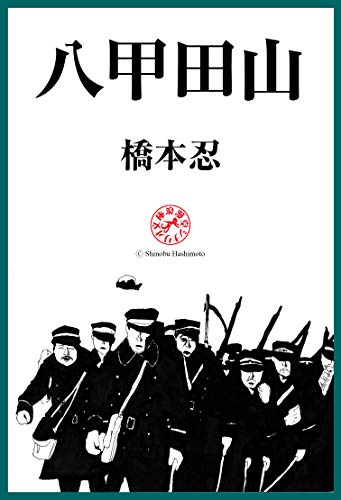
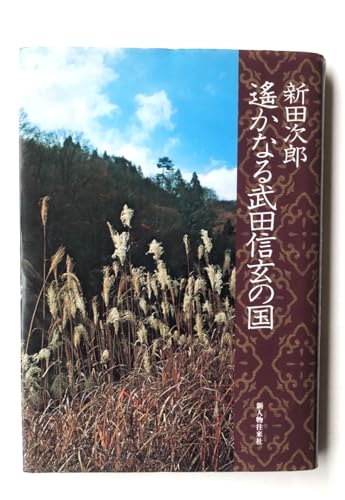
Jiro Nitta (1912–1980) was a Japanese novelist born in Kamisuwa, now part of Suwa City, Nagano Prefecture. His real name was Hiroto Fujiwara. After graduating from the Wireless Telegraph Training Institute, now the University of Electro-Communications, he joined the Central Meteorological Observatory. His work included service at the Mount Fuji weather station and participation in the construction of its weather radar. While working for the meteorological agency, he wrote fiction and won the Naoki Prize in 1956 for “Gorikiden,” a story about a mountain porter carrying a heavy stone to the summit of Mount Shirouma. He retired in 1966 to concentrate on writing. Drawing on meteorological knowledge and field research, he portrayed people confronting severe natural conditions. In 1974, he received the Eiji Yoshikawa Literary Prize for “Takeda Shingen” and his mountain novels. “Koko no Hito,” whose title means “The Solitary Man,” follows a character modeled on Buntaro Kato, a working man who pursued solo mountaineering in the early Showa period. It traces his independent path through a climbing world largely dominated by the affluent, exploring how his passion for mountains intersects with work, family, and relationships. In “Death March on Mount Hakkoda,” Nitta draws on the 1902 winter military expedition disaster to contrast two units entering the mountains. One suffers devastating losses, while the other completes its route. Through their experiences, he examines how preparation for natural conditions and commanders’ decisions shape soldiers’ chances of survival, following the breakdown of command as men become trapped in a blizzard, unable to advance or retreat.