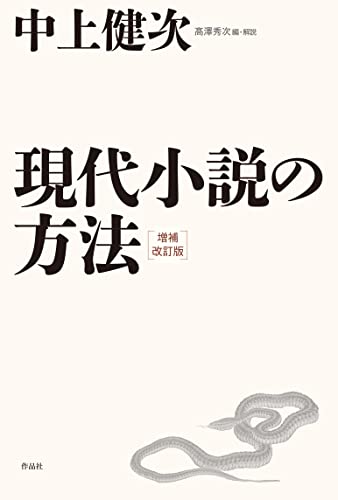
Kenji Nakagami (1946–1992) was a Japanese novelist and critic from Shingu in Wakayama Prefecture. After moving to Tokyo, he supported himself through manual labor while continuing to write. Drawing on Kumano and the discriminated buraku community in which he was raised, he created a fictional neighborhood called the roji and developed the interconnected “Kishu Saga,” combining tangled bloodlines, discrimination, violence, desire, and local mythology. In 1976, he received the Akutagawa Prize for “Misaki,” becoming the first writer born after World War II to win the award. His representative novel, “Karekinada,” received the Mainichi Publishing Culture Award and the Art Encouragement Prize for New Artists. Set in the roji of Kumano, it follows Akiyuki, a young construction laborer drawn into conflicts involving his mother, half-siblings, and his imposing biological father Ryuzo, as he struggles between hatred of his inherited bloodline and an attachment to the family and land from which he cannot separate himself.