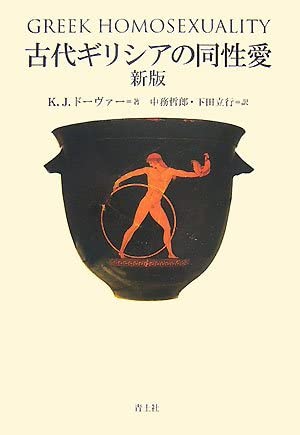
中務 哲郎(なかつかさ てつお、1947年–)は、古代ギリシアの叙事詩、寓話、説話などを研究する西洋古典学者、翻訳家。大阪市に生まれ、1975年に京都大学大学院文学研究科博士課程を単位取得退学した。京都産業大学助教授、京都大学教授を経て2010年に退職し、京都大学名誉教授となった。古典作品の翻訳とともに、神話や物語が語り継がれる過程を扱う著作を発表した。1996年の『イソップ寓話の世界』では、動物の物語を子ども向けの教訓としてだけ捉えず、誰がどのような場で語り、読み手によって意味がどう変わるのかを考察した。メソポタミアやエジプトの説話にも目を向け、イソップという人物像と寓話の成立・流布をたどった。2013年にはヘシオドス名義で伝わる全作品の翻訳を刊行した。神々の系譜や労働をめぐる教訓を歌う二つの真作にとどまらず、後世に伝わった作品断片と古代の証言も網羅し、その多くを初めて日本語に訳した。この仕事により、2014年に第65回読売文学賞の研究・翻訳賞を受賞した。2022年にはホメロスの『オデュッセイア』(英題 “The Odyssey”)を訳した。トロイア戦争を終えたオデュッセウスの漂流と帰還、故郷で待つ家族をめぐる全24歌を一冊に収め、解説、地図、系図、固有名詞索引を添えた。
Tetsuo Nakatsukasa (born 1947) is a Japanese classical scholar and translator specializing in ancient Greek epic, fables, and traditional narratives. Born in Osaka, he completed the required coursework in Kyoto University’s doctoral program in literature in 1975 and left without completing the degree. After serving as an associate professor at Kyoto Sangyo University and a professor at Kyoto University, he retired in 2010 and became professor emeritus at Kyoto. Alongside translations of classical texts, his writing examined how myths and stories were transmitted. In Aesop Guwa no Sekai (The World of Aesop’s Fables, 1996), he considered animal fables beyond their familiar role as moral lessons for children, asking who told them, in what settings, and how their meanings changed for different audiences. He explored the figure of Aesop and the origins and circulation of fables, with attention to narratives from Mesopotamia and Egypt. In 2013, he published a translation of the complete works attributed to Hesiod. It extended beyond the two generally accepted authentic poems about divine genealogy and human labor to include surviving fragments and ancient testimonies, much of this material appearing in Japanese for the first time. The translation received the research and translation category of the sixty-fifth Yomiuri Literary Prize in 2014. His 2022 translation of Homer’s Odyssey brought together all twenty-four books in one volume, with commentary, maps, genealogies, and an index of names. It followed Odysseus’s wanderings and homecoming after the Trojan War alongside the experiences of the family awaiting him.