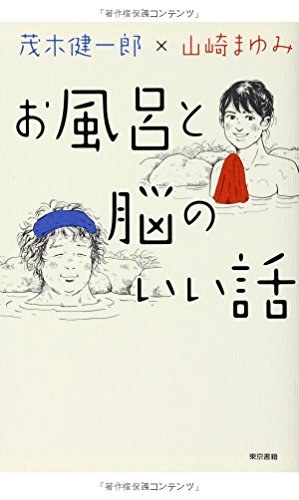
茂木 健一郎(もぎ けんいちろう、1962年–)は、日本の脳科学者。東京に生まれ、色や音などを経験するときの主観的な質感「クオリア」を手がかりに、脳と心の関係を研究している。『脳とクオリア なぜ脳に心が生まれるのか』では、物質である脳から感覚や意識が生まれる仕組みを問い、主観的な経験を科学で扱う難しさを論じた。2005年に小林秀雄賞を受賞した『脳と仮想』は、記憶や想像、文学などを通して、脳が現実には目の前にないものを思い描き、世界を認識する働きを考察する。英語で執筆した『生きがい―世界が驚く日本人の幸せの秘訣―』(英題 “The Little Book of Ikigai”)では、寿司職人や力士などの生き方を取り上げ、小さな喜びや日々の仕事へのこだわりが人生の充実につながる過程を描いた。
Kenichiro Mogi (born 1962), also known internationally as Ken Mogi, is a Japanese neuroscientist. Born in Tokyo, he studies the relationship between brain and mind through qualia—the subjective qualities of experiences such as seeing colors or hearing sounds. “No to kuoria” examines how a physical brain gives rise to sensations and consciousness, exploring the difficulties of studying subjective experience scientifically. “No to kaso,” which won the Kobayashi Hideo Prize in 2005, considers how memory, imagination, and literature illuminate the brain’s ability to represent things that are not immediately present and to interpret reality. Written in English, “The Little Book of Ikigai” draws on the lives of sushi chefs, sumo wrestlers, and others to explore how small pleasures and dedication to everyday work can give life meaning and fulfillment.