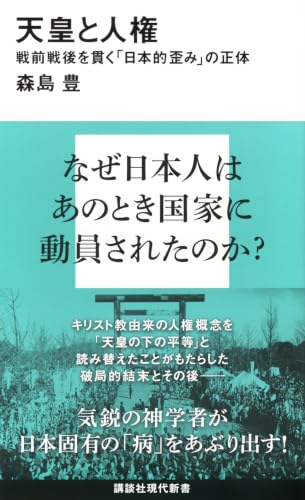
Yutaka Morishima (born 1976) is a Japanese theologian and professor in the School of Cultural and Creative Studies at Aoyama Gakuin University. He studied theology at Tokyo Union Theological Seminary and earned his doctorate at Seigakuin University. After serving as pastor of Nagasaki Peace Memorial Church in the United Church of Christ in Japan, he joined Aoyama Gakuin University, becoming a professor in 2022. He was a visiting scholar at Princeton Theological Seminary from 2023 to 2024. His research examines Christianity’s relationship with the development of human rights, religious freedom, and relations between religion and the state in Japan. In 2015, his paper on the influence and challenges of Christian human rights thought in Japan received the top honor in the Ruikotsu Prize. The historical development of human rights and the right to resist unjust authority is explored in “Teikoken to Jinken no Shisoshi: Obeigata to Tennogata no Kobo,” a study of competing Western and emperor-centered conceptions of rights. Morishima traces the formation of human rights ideas within Christianity and their influence on Japan’s Constitution. Comparing these traditions with Japanese notions of equality centered on the emperor, he examines obstacles to establishing a right of resistance in Japan. The book received the Aoyama Gakuin Academic Award in 2021. The reception and transformation of human rights ideas in modern Japan are examined further in “Tenno to Jinken,” about the emperor and human rights. Morishima investigates how these ideas were reinterpreted as equality under the emperor. Through cultural and religious policies, religious freedom, and the separation of religion and state, he analyzes how individual rights became connected to obedience to the state and considers the persistence of these patterns after the Second World War.