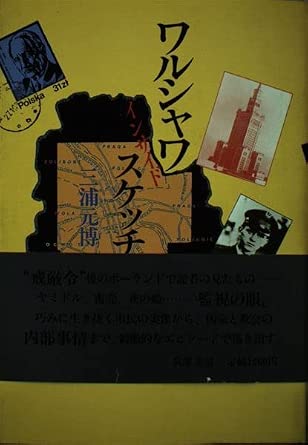
三浦 元博(みうら もとひろ、1950年–)は、ヨーロッパの現代政治・歴史とジャーナリズムを専門とする国際報道ジャーナリスト、翻訳家。滋賀県生まれ。東京外国語大学外国語学部ロシヤ語学科を卒業し、1974年に共同通信社に入社した。ワルシャワ留学を経て、ウィーン、ボン、ロンドンなどに駐在し、東欧の体制変動と欧州統合を取材。外信部、編集委員、論説委員として国際問題の報道と解説に携わった。2008年に大妻女子大学社会情報学部に着任し、ジャーナリズム論や欧州の政治・歴史を教え、2022年に名誉教授となった。山崎 博康との共著『東欧革命――権力の内側で何が起きたか』では、1989年に東欧の共産党支配が相次いで崩れるなか、各国の権力中枢で交錯した判断や思惑を、現地取材による証言を交えて描いた。東ドイツ、ハンガリー、ポーランド、ブルガリア、チェコスロバキア、ルーマニアの変動を扱う著作だった。翻訳では、政治体制の変化や戦争、国際秩序に関する歴史研究とノンフィクションを手がけた。2023年刊のニコラス・ミュルデル『経済兵器』(原題 “The Economic Weapon: The Rise of Sanctions as a Tool of Modern War”)では、第一次世界大戦の封鎖を起点に、経済制裁が国際連盟の平和維持手段へ組み込まれていく過程を検証した研究書を訳した。2026年刊のスティーヴ・クロウショー『権力者を訴追する』(原題 “Prosecuting the Powerful: War Crimes and the Battle for Justice”)では、ジュネーヴ条約やニュルンベルク裁判から、旧ユーゴスラビア、ルワンダ、ウクライナなどの事例へと至る国際司法の歴史を扱った。戦争犯罪の責任を権力者に問う取り組みと、裁きを妨げる政治、正義の適用をめぐる二重基準を取材した著作の日本語版を担当した。
Motohiro Miura (born 1950) is a Japanese international-affairs journalist and translator specializing in contemporary European politics and history and in journalism. Born in Shiga Prefecture, he graduated from the Russian Department of Tokyo University of Foreign Studies and joined Kyodo News in 1974. After studying in Warsaw, he was stationed in Vienna, Bonn, and London, reporting on political transformation in Eastern Europe and European integration. His work at Kyodo included international reporting, commentary, and editorial writing. He joined Otsuma Women’s University’s Faculty of Social Information Studies in 2008, teaching journalism and European politics and history, and became professor emeritus in 2022. With Hiroyasu Yamazaki, he wrote Too Kakumei: Kenryoku no Uchigawa de Nani ga Okita ka, an account of the collapse of communist rule in Eastern Europe in 1989. Drawing on testimony gathered through reporting, it examined decisions and competing calculations within political leaderships in East Germany, Hungary, Poland, Bulgaria, Czechoslovakia, and Romania. His translations have addressed changing political systems, war, and the international order through historical research and nonfiction. In 2023 he translated Nicholas Mulder’s The Economic Weapon: The Rise of Sanctions as a Tool of Modern War into Japanese as Keizai Heiki. The study traced economic sanctions from the blockades of the First World War to their adoption by the League of Nations as instruments of peacekeeping. In 2026 his translation of Steve Crawshaw’s Prosecuting the Powerful: War Crimes and the Battle for Justice appeared as Kenryokusha o Sotsui Suru. It followed international justice from the Geneva Conventions and Nuremberg trials through cases involving the former Yugoslavia, Rwanda, and Ukraine. Miura translated an account of efforts to hold powerful leaders responsible for war crimes, the political barriers to accountability, and the problem of double standards in applying justice.