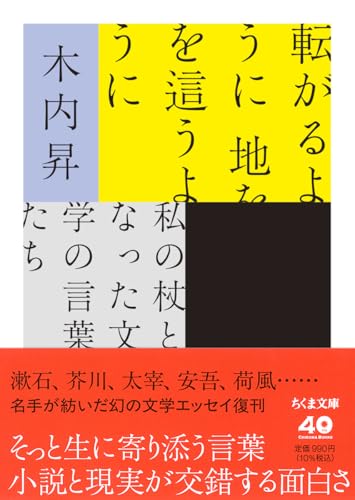
Nobori Kiuchi (born 1967) is a Japanese writer of historical fiction and an editor. After working for a publishing company, she became independent, founded the interview magazine "Spotting," and worked as an editor and freelance writer. She made her fiction debut with "Shinsengumi Bakumatsu no Seiran" in 2004. Set mainly during the final years of the Tokugawa shogunate and the early Meiji period, her novels portray people who lose their social position and means of livelihood as institutions and values rapidly change around them. Her best-known work, "Hyōsa no Utau," received the Naoki Prize in 2011. Set in the Nezu pleasure quarter in 1877, the novel follows Sadakuro, the younger son of a former shogunal retainer who has lost his status after the Meiji Restoration and now works as a tout. Through his encounters with courtesans, a storyteller’s apprentice, and former companions, the novel depicts a man unable either to remain in the past or to find a place in the new era.