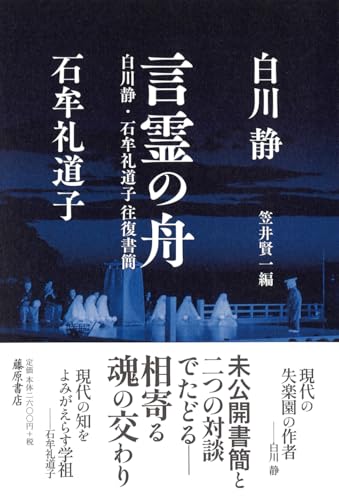
Michiko Ishimure (1927–2018) was a Japanese novelist, poet, and environmental activist. Born in the Amakusa district of Kumamoto Prefecture and raised in Minamata, she began working closely with people affected by Minamata disease and their families in the late 1950s. Through testimony, observation, and literary reconstruction, she documented both their suffering and the fishing communities of the Shiranui Sea. Her writing presented Minamata disease not only as a local case of industrial pollution but also as the destruction of relationships among human beings, nature, and regional communities. She received the Ramon Magsaysay Award in 1973. Her representative work, “Kugai Jōdo: Waga Minamata-byō,” published in English as “Paradise in the Sea of Sorrow: Our Minamata Disease,” uses local speech and the voices of patients and fishers to record lives damaged by methylmercury pollution and the disappearance of a coastal culture built around the sea.