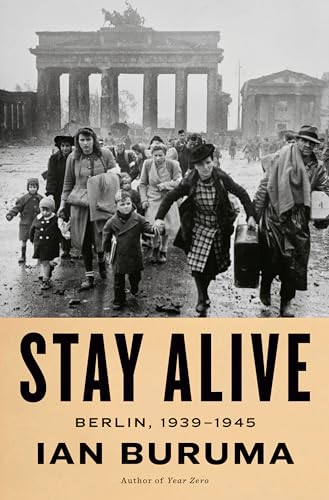
イアン・ブルマ(Ian Buruma、1951年–)は、オランダ出身のジャーナリスト、歴史家。米国バード大学教授。ライデン大学で中国文学を、日本大学で映画を学び、東京、香港、ロンドン、ニューヨークを拠点に活動してきた。『ファー・イースタン・エコノミック・レビュー』の文化担当編集者や『ニューヨーク・レビュー・オブ・ブックス』の編集長を歴任。アジアと欧州を比較する視点から、戦争の記憶、ナショナリズム、民主主義、人権を論じている。2008年にエラスムス賞を受賞した。第二次世界大戦が終結した一年を、解放の歓喜、飢餓、報復、帰還、戦争責任の追及から描く『廃墟の零年1945』(原題 “Year Zero: A History of 1945”)では、戦勝国と敗戦国の双方から戦後秩序の出発点を検証した。2026年刊行の『Stay Alive: Berlin, 1939–1945』(未邦訳)は、ナチ体制下のベルリンで暮らした市民、迫害されたユダヤ人、外国人強制労働者の経験をたどる。自身の父親の強制労働体験も織り込み、空襲と監視のなかで生き延びるための妥協、体制への加担、抵抗や援助の選択を描いている。
Ian Buruma (born 1951) is a Dutch-born journalist and historian, and a professor at Bard College in the United States. He studied Chinese literature at Leiden University and cinema at Nihon University in Tokyo, and has lived and worked in Tokyo, Hong Kong, London, and New York. He served as cultural editor of the Far Eastern Economic Review and editor of The New York Review of Books. His work examines memories of war, nationalism, democracy, and human rights through comparisons between Asia and Europe. He received the Erasmus Prize in 2008. “Year Zero: A History of 1945” explores the aftermath of the Second World War through liberation, hunger, revenge, homecoming, and efforts to establish justice, tracing the beginnings of the postwar order across victorious and defeated countries. Published in 2026, “Stay Alive: Berlin, 1939–1945” follows civilians, persecuted Jews, and foreign forced labourers living in the Nazi capital. Incorporating his father’s experience of forced labour, Buruma examines the compromises, complicity, resistance, and acts of assistance that shaped survival under surveillance and bombardment.