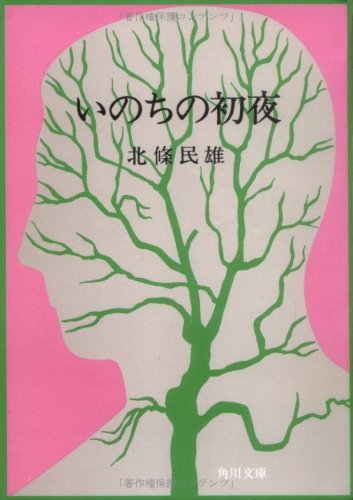
Tamio Hōjō (1914–1937) was a Japanese novelist whose work emerged from the experience of Hansen’s disease and compulsory institutionalization. After entering Zenshō Hospital, now the National Sanatorium Tama Zenshōen, he continued writing within the segregated institution and sent his manuscripts to Yasunari Kawabata, who advised him and helped bring his work into print. His representative novella, "Life’s First Night," received the Bungakukai Prize in 1936; Hōjō died of intestinal tuberculosis the following year at the age of twenty-three. The story follows a young man named Oda during his first night in a Hansen’s disease sanatorium, where encounters with other patients force him to confront the loss of his former social identity and the forms of life that persist inside confinement. Written when compulsory segregation and intense discrimination shaped patients’ lives, it records the institution from the perspective of a person subjected to it.