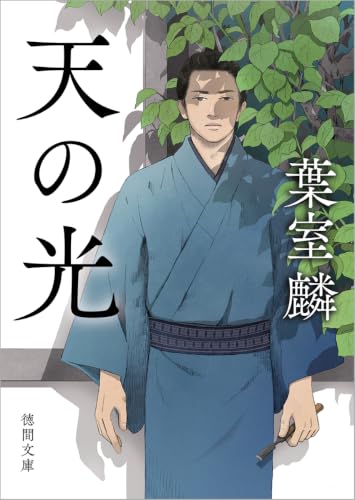
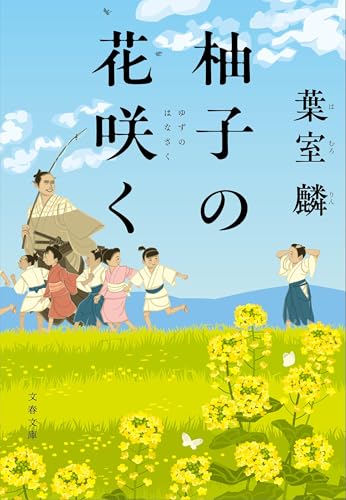
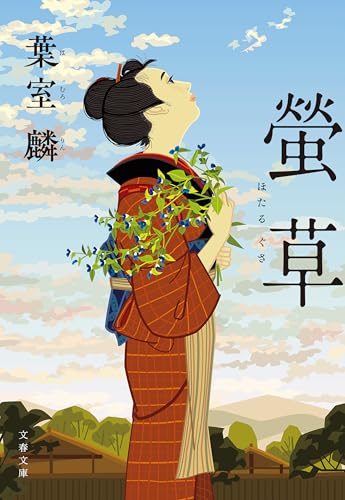
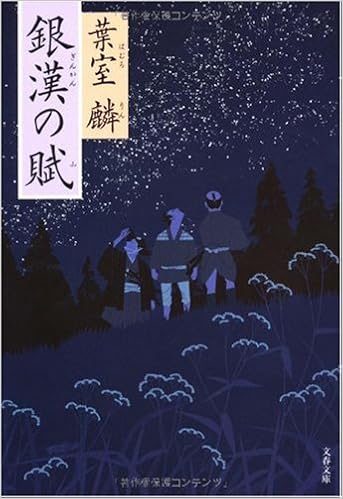
Rin Hamuro (1951–2017) was a Japanese historical novelist born in Kokura, Kitakyushu, Fukuoka Prefecture. After graduating from Seinan Gakuin University, he worked as a local newspaper journalist before making his literary debut in 2005 with "Kenzan Banshu," which received the Rekishi Bungaku Award. He later won the Matsumoto Seicho Prize for "Ginkan no Fu," the Naoki Prize for "Higurashi no Ki" in 2012, and the Shiba Ryotaro Prize for "Kishin no Gotoku: Kuroda Hanshinden." His best-known novel, "Higurashi no Ki," follows Toda Shukoku, a samurai ordered to commit seppuku after ten years for an alleged affair with his lord’s concubine, and Shōzaburō Danno, a younger retainer assigned to watch him. As Shukoku spends his remaining years compiling the domain’s history and living quietly with his family, Danno comes to respect him and begins to question the truth behind his sentence. The novel portrays the conflict between honor, family, loyalty, and the political interests concealed behind a samurai’s condemnation.