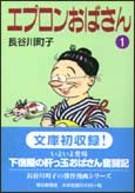
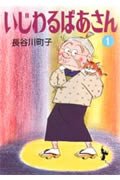
Machiko Hasegawa (1920–1992) was a Japanese manga artist best known for four-panel newspaper comics. Born in Saga, she moved to Tokyo with her family in 1934, studied under manga artist Suiho Tagawa and made her debut in the magazine “Shojo Club” in 1935. In 1946 she began “Sazae-san” in the Fukuoka newspaper Yukan Fukunichi; it later moved to the Asahi Shimbun and continued until 1974. Through the Isono family’s everyday experiences, the strip recorded changes in domestic life and neighborhood society from postwar shortages to rapid economic growth. With her elder sister Mariko, she operated the publishing company Shimai-sha and issued collections of her work. “Ijiwaru Baasan” turned to a mischievous elderly woman whose pranks exposed a less benevolent side of family and social relationships. Her autobiographical manga “Sazae-san Uchiakebanashi” depicted her apprenticeship, newspaper employment, creative and publishing work, and family life. It became the basis of the NHK television serial “Ma Nee-chan.” In 1985 the sisters opened the Hasegawa Art Museum in Setagaya, Tokyo, to share their collection of paintings and crafts with the public. Hasegawa died in 1992 and received Japan’s People’s Honor Award posthumously that year for her contributions through manga.