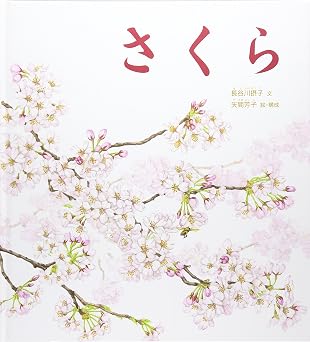
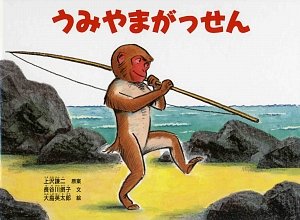
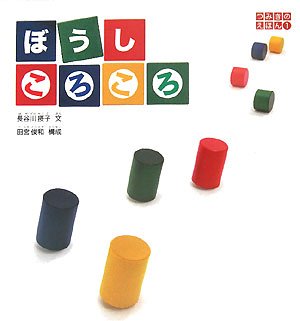
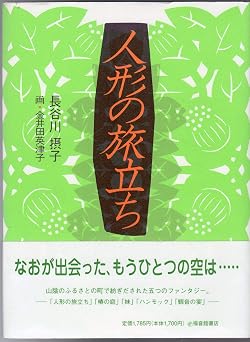
Setsuko Hasegawa (1944–2011) was a Japanese children’s author and translator whose work included picture books, fiction, retellings of folk tales and writing about children’s reading. Born in Hirata, now part of Izumo in Shimane Prefecture, she studied French at Tokyo University of Foreign Studies and left a graduate course in philosophy at the University of Tokyo. She worked in public nursery schools for six years. After leaving nursery work, she began a weekly storytelling club for local children in a room used by her husband’s private school. Her activities also included the Akamon children’s library, reading picture books, sharing poems and traditional songs, and telling stories. Reviewing children’s books led to an invitation to write picture books. “Mekkira Mokkira Doon Don”, illustrated by Nana Furiya, combined a rhythmic song she had made with her son and a ghost story she had told her children at bedtime. It followed Kanta from a shrine into a strange world where he played with supernatural companions. “Ningyo no Tabidachi”, a cycle of five fantasies set in her native San’in region, included a title story about discarded hina dolls and received the Tsubota Joji Literary Award, the Muku Hatoju Children’s Literature Award and the Akai Tori Literary Award. Drawing on years of reading with children, “Ehon ga Me o Samasu Toki” used letters to a young mother to discuss particular picture books and shared reading experiences, responding to questions about books as children grew.