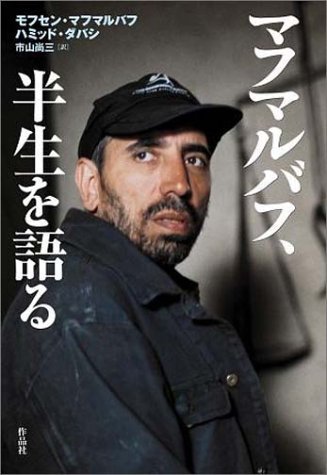
ハミッド・ダバシ(1951年–)は、イラン生まれの歴史・文化研究者。米国コロンビア大学でイラン研究と比較文学を教え、イランの政治、イスラーム思想、映画や文学を横断して論じている。近現代イランの政治文化史をたどる『イラン、背反する民の歴史』(Iran: A People Interrupted)では、立憲運動から1979年の革命、その後の改革運動までを扱い、イランの歩みを宗教と世俗、伝統と近代の単純な対立では説明できないと論じる。知識人と権力の関係を問う『ポスト・オリエンタリズム――テロの時代における知と権力』(Post-Orientalism: Knowledge and Power in Time of Terror)では、欧米による中東の語り方を検討し、中東出身の知識人がどのように発言できるかを考える。2022年のイランの抗議運動を論じた『Iran in Revolt: Revolutionary Aspirations in a Post-Democratic World』(未邦訳)では、マフサ・アミニの死をきっかけに広がった「女性、生命、自由」の運動を取り上げ、政治変革を国家や選挙だけで測れるのかと問いかける。
Hamid Dabashi (born 1951) is an Iranian-born scholar of history and culture who teaches Iranian studies and comparative literature at Columbia University. His work spans Iranian politics, Islamic thought, cinema, and literature. In “Iran: A People Interrupted,” he traces Iran’s political and cultural history from the constitutional movement through the 1979 revolution and later reform efforts, arguing that its history cannot be reduced to a struggle between religion and secularism or tradition and modernity. “Post-Orientalism: Knowledge and Power in Time of Terror” examines how Western institutions and intellectuals describe the Middle East and asks how scholars from the region can speak on their own terms. “Iran in Revolt: Revolutionary Aspirations in a Post-Democratic World” focuses on the protests that spread after the death of Mahsa Amini in 2022. Through the “Woman, Life, Freedom” movement, Dabashi questions whether political change can be judged solely by states and elections.