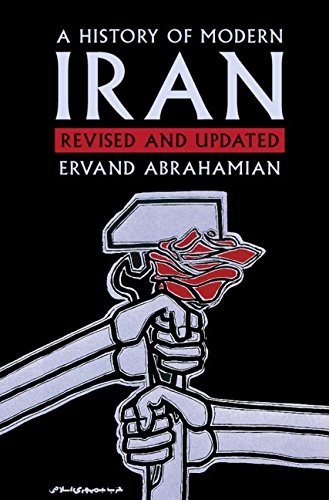
エルヴァンド・アブラハミアンは、イラン近現代史を専門とする歴史学者。ニューヨーク市立大学のバルーク校と大学院センターで教授を務めた。『Iran Between Two Revolutions』(未邦訳)では、20世紀初めの立憲革命から1979年のイスラム革命までを、政治組織と労働者、商人、宗教者などの社会集団との関係から読み解く。『A History of Modern Iran』(未邦訳)では、石油の発見、外国の介入、パフラヴィー朝の統治を経てイスラム共和国が成立するまでをたどる。『The Coup』(未邦訳)は、1953年にモサッデク首相が失脚したクーデターを資料に基づいて検証し、この事件がその後の米国とイランの関係に残した影響を考察した。
Ervand Abrahamian is a historian of modern Iran and a distinguished professor emeritus at the City University of New York’s Baruch College and Graduate Center. In “Iran Between Two Revolutions,” he examines the period from the Constitutional Revolution of the early twentieth century to the 1979 Islamic Revolution through the relationships between political organizations and social groups, including workers, merchants, and religious figures. “A History of Modern Iran” traces the discovery of oil, foreign intervention, and Pahlavi rule through the establishment of the Islamic Republic. In “The Coup,” he uses historical documents to reexamine the 1953 overthrow of Prime Minister Mohammad Mosaddegh and its lasting effect on relations between Iran and the United States.